
AMERICAN DREAM BELONGS TO ALL OF US
 By Imran Igra
Pakistani-American electoral victories—and a call to the next generation to lead
Somewhere on an American college campus today, a young woman is wondering whether her voice matters. Somewhere else, a young man is balancing classes, work, and family responsibilities, quietly believing that public office belongs to people with famous names, wealthy donors, or powerful connections. To both of them, the 2026 midterm elections offer an answer: Your story does not disqualify you from leadership. It may be precisely what prepares you for it.
Across the country, Pakistani Americans were among those who stepped forward to seek the public’s trust. Reported state legislative winners included Maryam Khan and Saud Anwar in Connecticut, Salman Bhojani and Suleman Lalani in Texas, Farooq Mughal in Georgia, Hanadi Nadeem in Nevada, and Meriam Sabih and Tarik Khan in Pennsylvania. Their races, backgrounds, and political experiences differ. What unites them is not a single party platform or profession, but the decision to participate in the demanding work of democracy.
These are not merely victories for one ethnic community. They are reminders of an extraordinary American principle: the public square belongs to all of us. A child of immigrants can become a lawmaker. A physician can become a senator. A nurse can help write public policy. A woman who has been told to wait her turn can decide that her turn is now. Every such journey enlarges our understanding of who can lead.
Abraham Lincoln described democracy as “government of the people, by the people, for the people.” Those words from Gettysburg were not a promise that democracy would always be easy or fair. They were a challenge to each generation to make representative government worthy of its name. A government of the people must look beyond ancestry, accent, religion, gender, or family wealth when deciding whose ideas deserve to be heard.
America’s greatness is not that it has never fallen short of its ideals. Its greatness is that its founding principles give citizens the language, institutions, and responsibility to demand better. The promise of equal opportunity has been contested and expanded through courage, protest, legislation, service, and the ballot box. Progress did not happen automatically. People made it happen.
Dr. Martin Luther King Jr. dreamed that his children would be judged “by the content of their character.” That moral standard belongs in every classroom, hiring office, campaign, and legislative chamber. It calls us to evaluate leaders by integrity, competence, empathy, and service—not by skin color, surname, faith, or whether they are women or men.
John F. Kennedy offered another enduring invitation: “Ask not what your country can do for you—ask what you can do for your country.” It is a particularly important message for students. The first question in public life should not be, ‘What title can I win?’ It should be, ‘Whose problem can I help solve?’ A better school crossing, a safer street, an accessible clinic, a fairer permit process, or a more responsive local government can change lives. Great leadership often begins with work that earns no applause.
To the daughters of immigrant families: do not wait for someone to grant you permission to lead. Your education, perspective, and determination are public assets. To the sons: let ambition be matched by humility and a willingness to listen. To students of every race, religion, and background: you do not need to share the same politics to share a commitment to the Constitution, civil debate, and the dignity of your neighbors.
The path is practical, not mysterious. Attend a town-hall or school-board meeting. Volunteer for a cause you believe in. Work on a campaign, including one whose candidate does not look like you. Intern in a legislative office. Learn how budgets, zoning decisions, and public hearings affect real families. Register to vote when eligible. Practice disagreeing without demeaning. And when you have earned your community’s confidence, consider running—for student government, a local board, city council, the state legislature, or Congress.
Nor is election the only measure of service. America also needs ethical teachers, entrepreneurs, physicians, engineers, journalists, military personnel, nonprofit volunteers, and neighbors who show up when help is needed. Public service is a habit before it is a job title. The finest elected officials never forget that they are temporary stewards of authority entrusted to them by the people.
For Pakistani Americans, these reported victories can be a moment of gratitude and pride. But pride should lead outward, not inward. An elected official must serve every constituent: the supporter and the critic, the newcomer and the fourth-generation resident, the person of faith and the person of none. The most meaningful measure of success is not the number of people who share a leader’s heritage; it is the number whose lives are improved through honest work.
Election results will pass through the normal counting and certification process, and public officials will be tested by what they accomplish after taking office. That is as it should be. Democracy is not a trophy presented on election night. It is a responsibility renewed every morning.
So to every young American sitting in a lecture hall, working a late shift, or wondering whether the future has a place for them: do not simply admire the people who enter public life. Prepare to become one of them. Read widely. Build friendships across differences. Defend the rights of people with whom you disagree. Speak with conviction, listen with respect, and serve before you seek recognition.
The next great American public servant may not yet have a campaign, a donor list, or even a clear career plan. They may have only a question: ‘Could someone like me make a difference?’ The answer is yes. America’s promise is not reserved for a chosen few. It is an invitation to all—and it becomes stronger every time someone accepts it.
About the Author
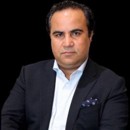
Imran Igra
Imran Igra is a Pakistani-American community leader, public affairs consultant, and advocate for civic participation and interfaith dialogue. His work focuses on community engagement, public service, and building bridges across communities.
Frequently Asked Questions
Who is the author of this commentary?
Imran Igra, a Pakistani-American community leader and public affairs consultant focused on civic participation and interfaith dialogue.
What is the main message of this piece?
Pakistani-American electoral victories in 2026 show that immigrant stories can prepare people for leadership — and that young Americans of every background should prepare to serve, not only admire those who run.
Which Pakistani-American legislative winners does the essay mention?
Reported state legislative winners included Maryam Khan and Saud Anwar (Connecticut), Salman Bhojani and Suleman Lalani (Texas), Farooq Mughal (Georgia), Hanadi Nadeem (Nevada), and Meriam Sabih and Tarik Khan (Pennsylvania).